Engineered for Speed, Consistency, and Seamless Installation. Our workflow ensures unit turnovers progress efficiently while…
Key Features of Thoughtful Senior Living Design
Designing an assisted living facility is about more than compliance and convenience; it’s about dignity. At its core, senior living architecture should support independence, safety, and a sense of purpose for residents. The right design choices can dramatically improve quality of life, enhance daily routines, and foster a true sense of community.
Here are five essential design principles and features that should be part of every assisted living project.
- Residential, Not Institutional Feel
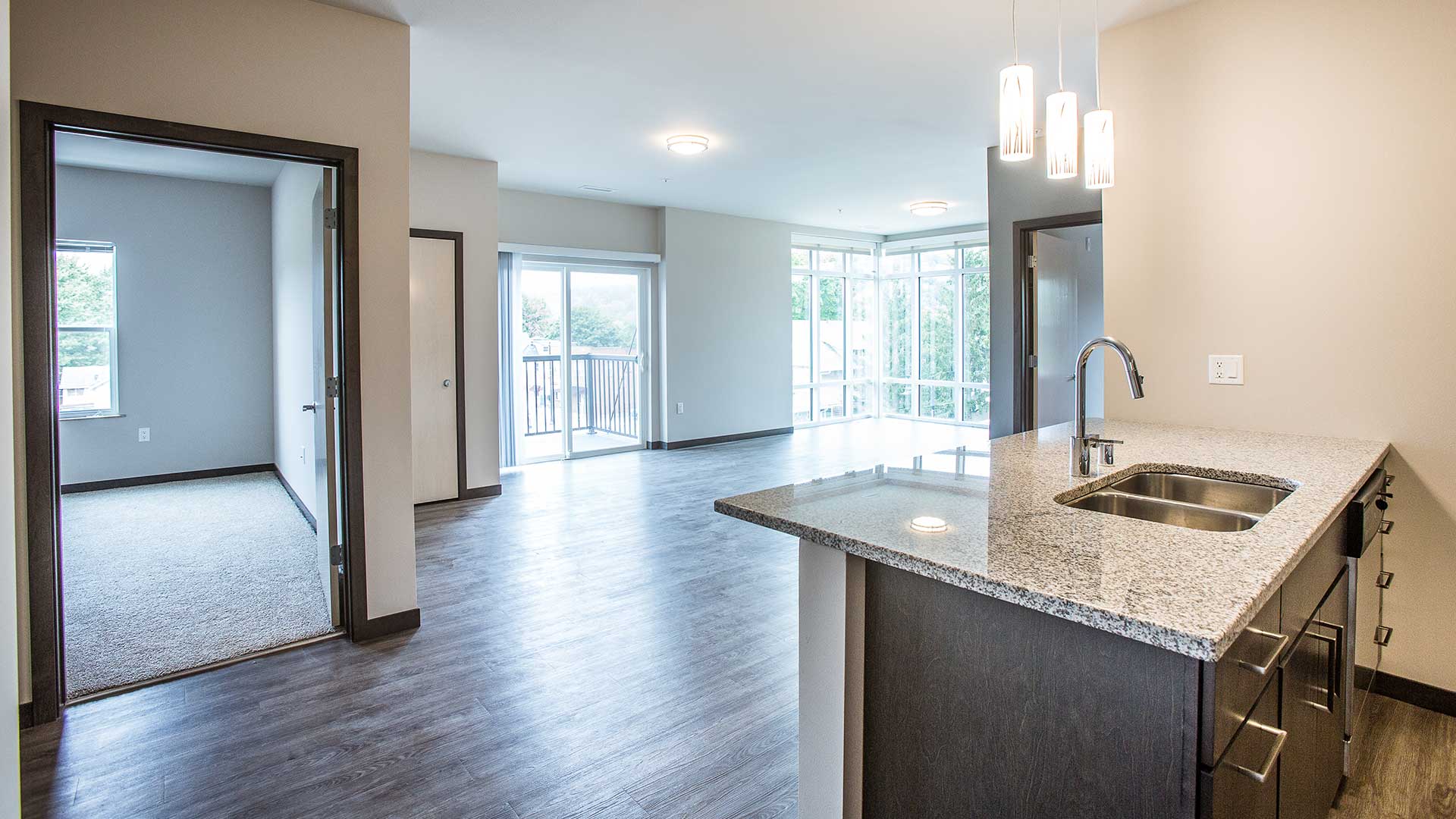
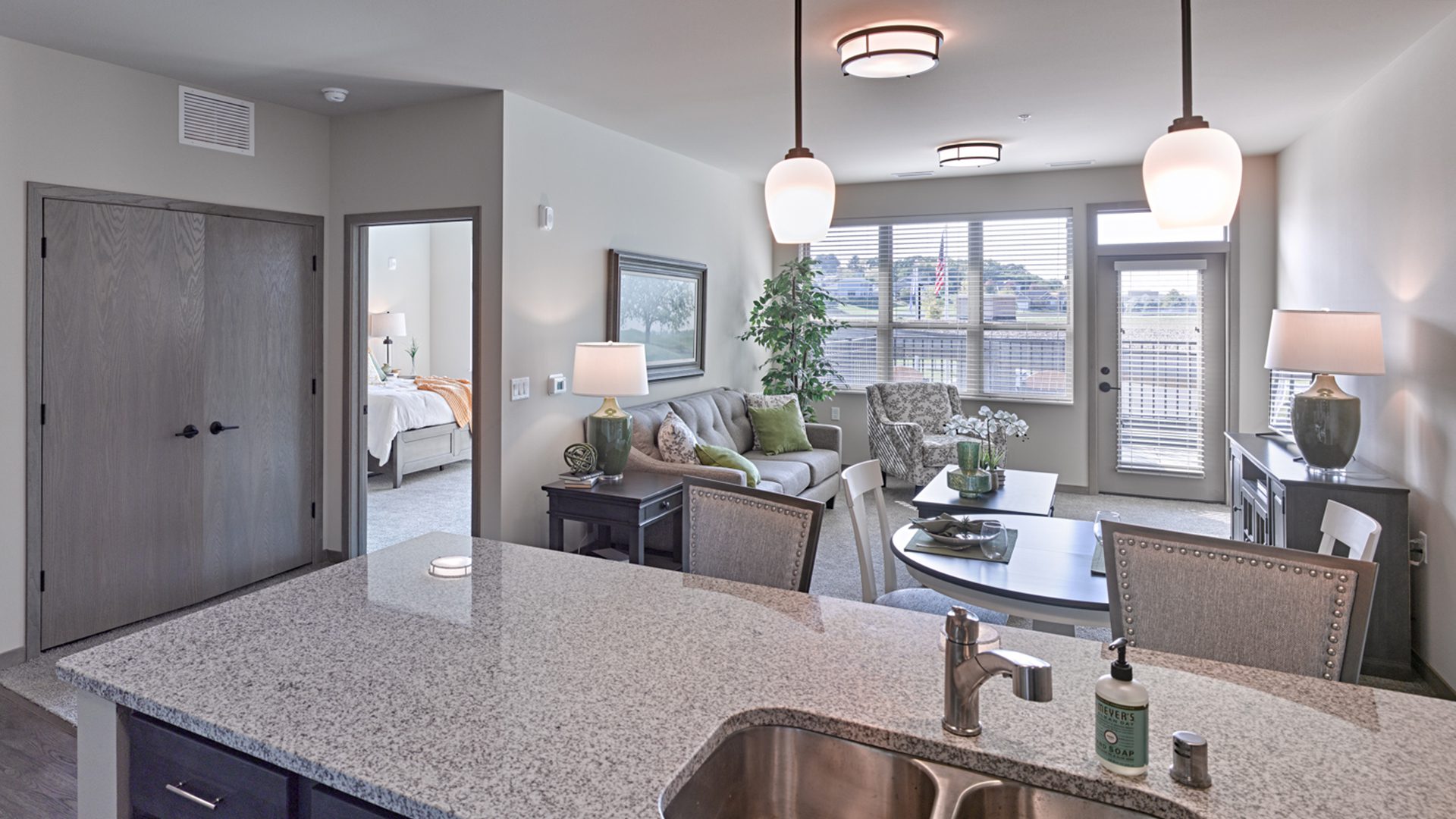
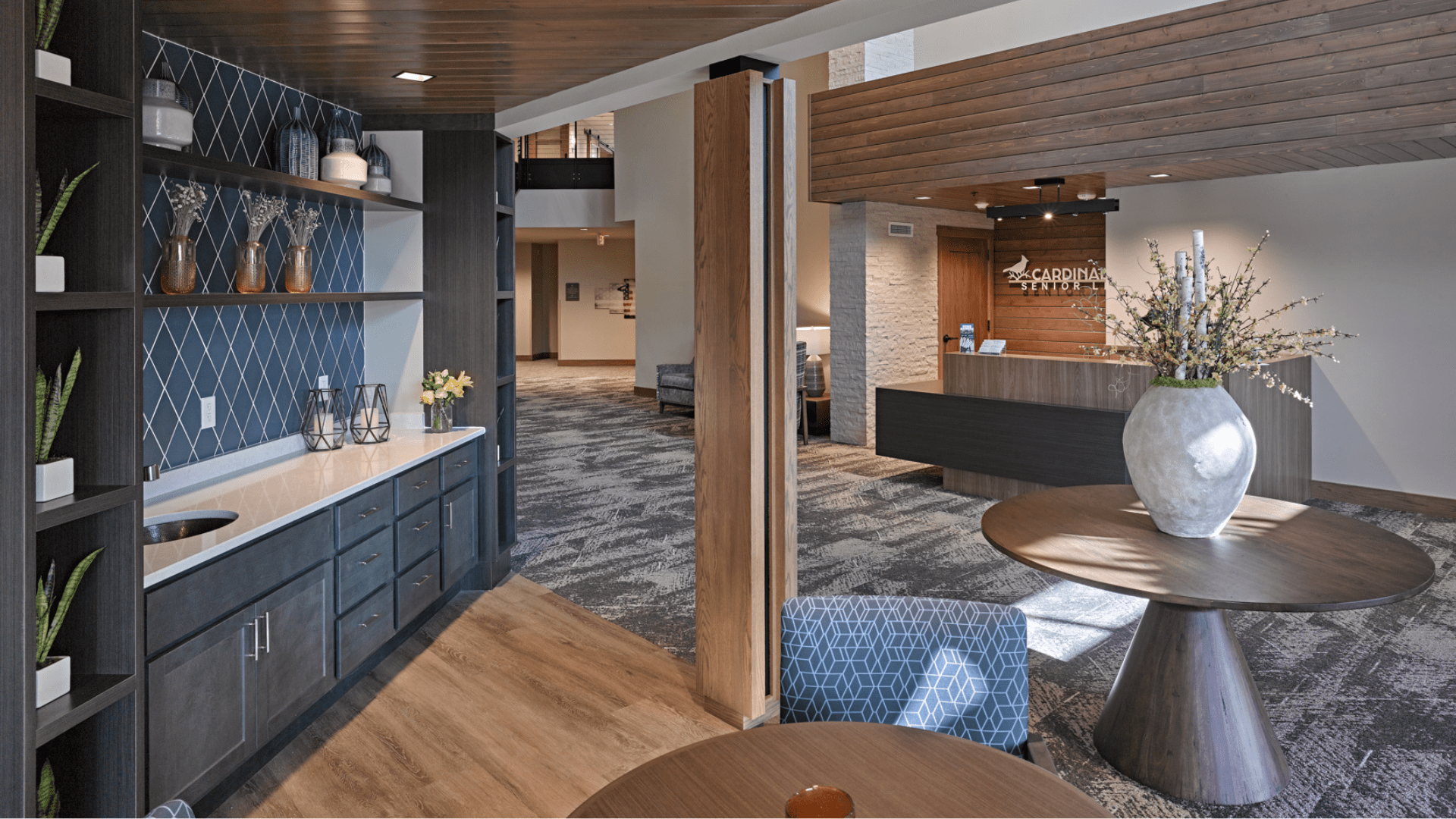
Today’s residents and their families are looking for environments that feel like home—not hospitals. That means:
- Warm, familiar materials like wood and stone
- Splashes of color, not just bland neutrals
- Comfortable, residential-style furnishings
- Natural lighting and large windows for connection to the outdoors
Good assisted living design strikes a balance between hospitality and healthcare, creating spaces that feel welcoming, functional, and safe all at once.
- Thoughtful Room and Bathroom Layouts
Private rooms should be easy to navigate. Key design elements include:
- Zero-threshold showers with grab bars for safety
- Easy-to-reach lighting and storage
- Clear sightlines from bed to bathroom to reduce fall risk
- Adjustable lighting for aging eyes
Small design decisions like these help preserve residents’ independence and reduce the need for constant staff assistance.
- Intuitive Wayfinding and Circulation
Cognitive decline, especially in memory care, can make navigation challenging. Effective wayfinding supports dignity and autonomy by helping residents move confidently throughout the building. Consider:
- Consistent visual cues (color, texture, artwork)
- Looping circulation patterns (especially in memory care)
- Simple, easy-to-read signage with icons
- Clear transitions between public and private spaces
This type of senior living architecture reduces confusion and enhances residents’ confidence.
- Connection to Nature and Community
Access to green space is more than a luxury—it’s a proven health benefit. Every assisted living facility should include:
- Secure outdoor courtyards or walking paths
- Gardens or patios with seating for families and visitors
- Windows that provide daylight and views of the natural world
When possible, buildings should also connect residents to the broader neighborhood with visible entryways, nearby parks, and space for intergenerational interaction.
- Flexible, Purpose-Driven Shared Spaces
Dining rooms, lounges, therapy rooms, and activity areas should be:
- Adaptable for both group gatherings and quiet moments
- Acoustically treated to reduce noise and stress
- Equipped for future technology and programming shifts
Design should anticipate the changing needs of both residents and staff, while maintaining a warm, welcoming atmosphere.
Designing with Purpose at Iconica
At Iconica, we design assisted living environments that go beyond compliance. Our integrated team of architects, engineers, and construction professionals work together to create spaces that feel good, function well, and promote resident dignity every step of the way.
Want to learn more about how our team designs for dignity in senior living communities? Reach out today—let’s bring your vision to life with purpose-driven design.

Related Posts